味噌煮込み読本
Miso stew reader
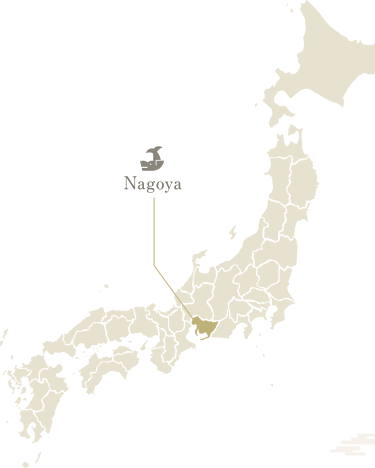
Nagoya Meshi and Miso Culture
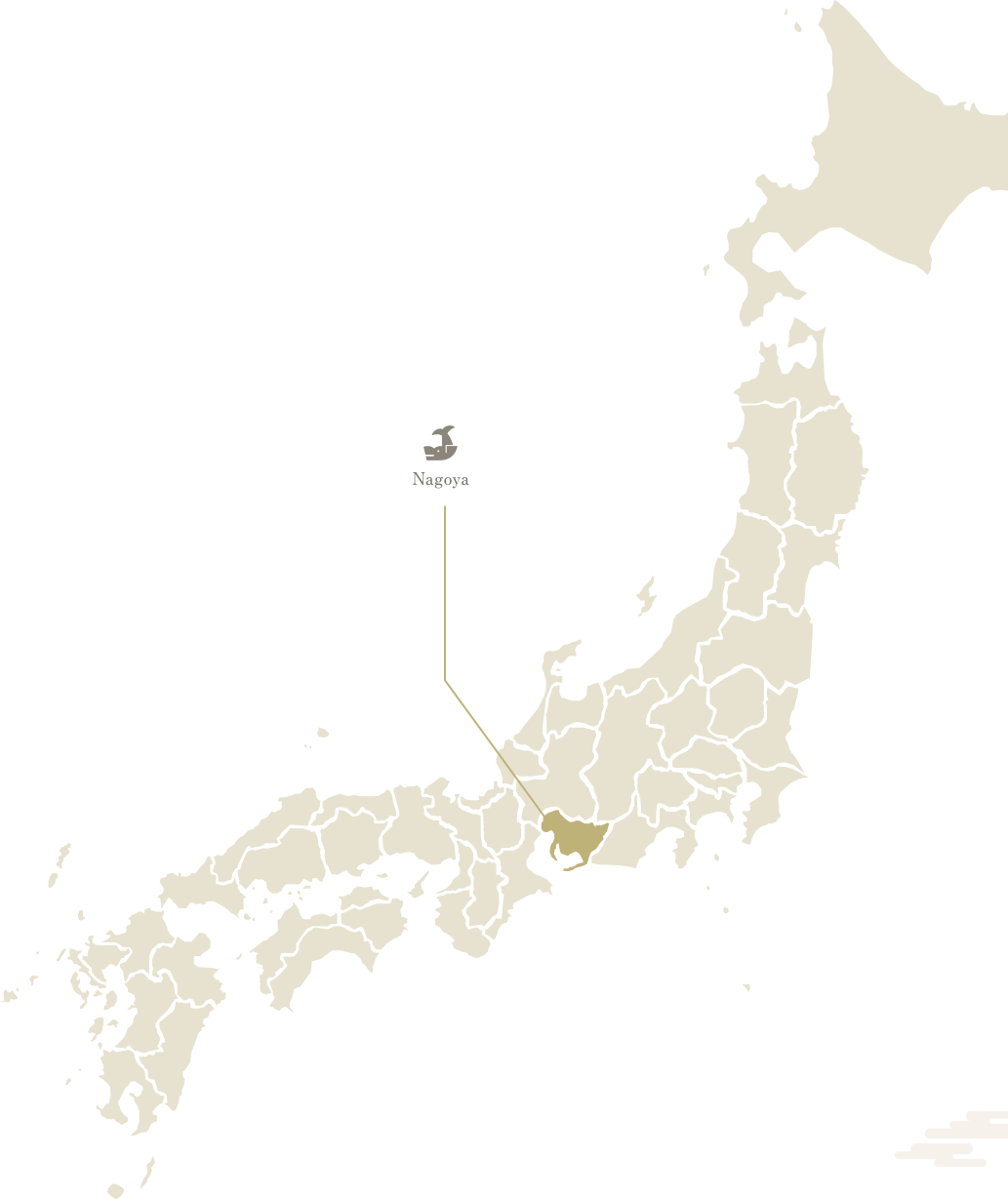
Nagoya and Miso Culture
Nagoya Meshi is a fermented gourmet created by the “red miso culture”. It is rich but has a low salt content. The deep flavor of the bean miso has grown miso stewed udon, miso cutlet, and doteni into a unique specialty.
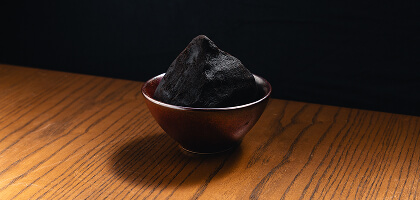
Red miso = bean miso
Only soybeans + salt are aged in wooden barrels for 2-3 years. It is said to be dark in color and about twice as much umami as white miso.
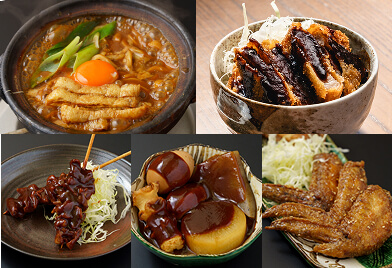
Representative example of Nagoya rice
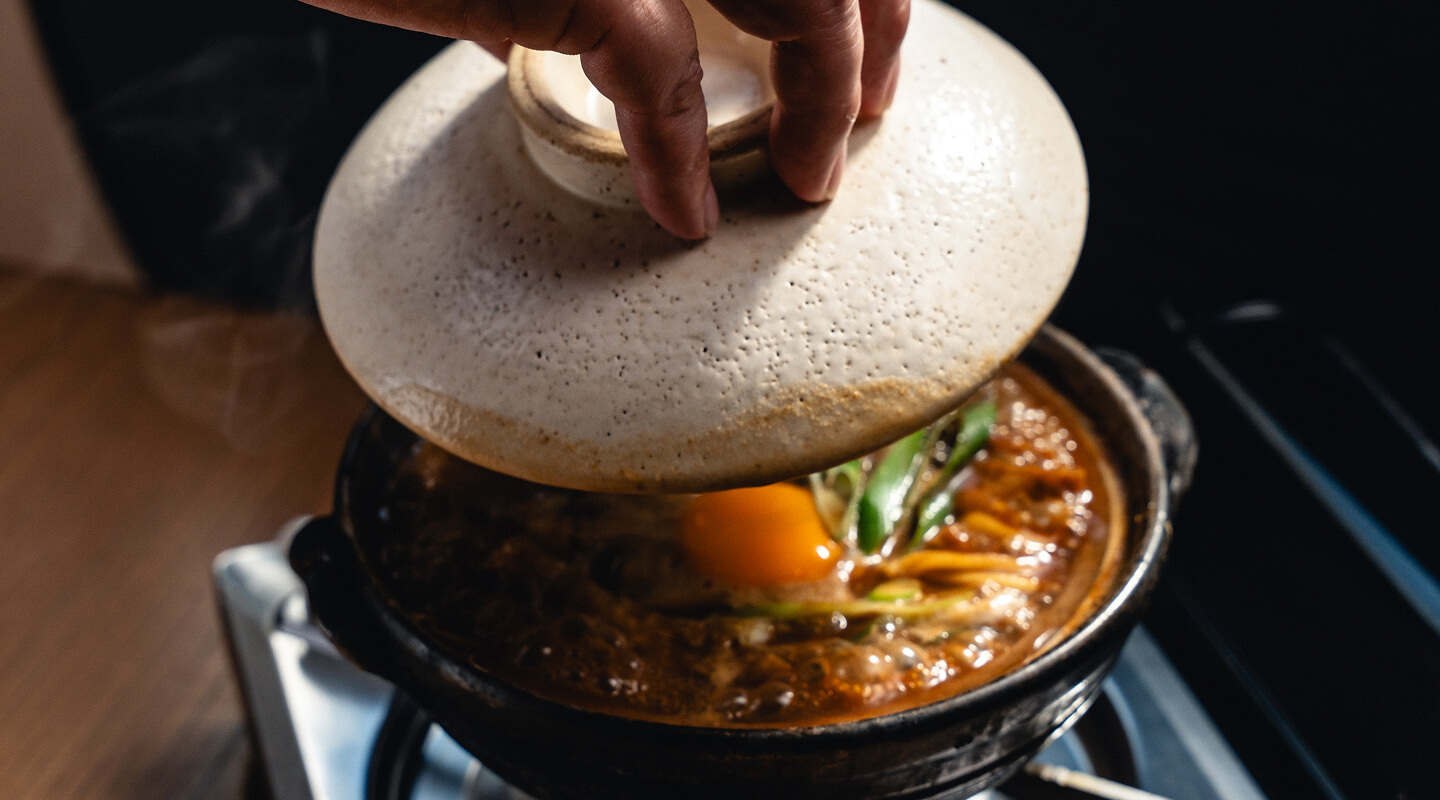
●Miso stewed udon… Cook directly in a clay pot
●Miso cutlets… Who is the deciding factor in Hatcho miso
●Dote stew / miso oden / chicken wings… Sweet and spicy miso enhances richness
History Bite-Long Notes
In the middle of the Edo period, bean miso was established in Okazaki and Hatcho Village (now Okazaki City, Aichi Prefecture), and spread as military miso in the Owari domain, and evolved into a “feast for the common people” in Nagoya City during the Taisho era.
1. Why red miso became established in Nagoya
1.Reason
Reason01.

Shelf life
Even in Owari, where the average annual humidity is high, bean miso with a high salt concentration is less likely to spoil and has a high shelf life
Reason02.

Demand for military miso
The Owari Tokugawa clan encouraged miso that was high in protein and could be stored for a long time as a samurai food.
Reason03.

Transportation hub
Tokaido’s logistics hub shipped tub miso nationwide, and technology has also developed
2. Nagoya Meshi Representative Menu and the Role of Miso
2.Menu and Role
The point is that all of them are designed to bring out the ingredients with “strong umami and sweetness”. The salt content is surprisingly low, and bean miso, which is high in protein and low in fat, is considered excellent in terms of nutrition.
Cooking
How to use miso
味の特徴
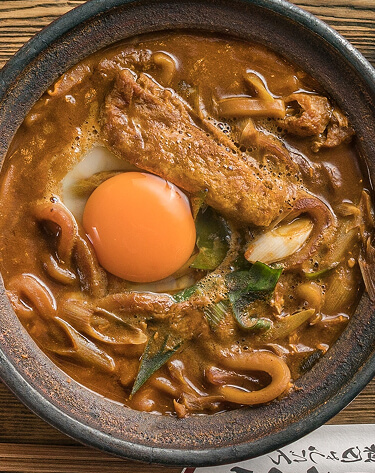
Miso Stewed Udon
Dashi 7: Divide by 3 miso
A deep richness that is not inferior to the chewy noodles
Miso Cutlet
Sweet and spicy sauce kneaded with Hatcho miso + sugar + broth
It adds richness to the fat of the meat and gives it a refreshing aftertaste.
Dote Stew
Stew beef tendon with miso + mirin + sugar for a long time
Melting texture and caramel-like sweetness
Miso Oden
Served with kelp broth + miso
The rich saltiness and aroma that permeates the ingredients
3. Spots to enjoy miso culture
3.Spot
Okazaki
Hatcho Miso Village
(Kakukyu)
Brewery tour and tasting
Nagoya City
Museum Permanent Exhibitions
“Owari food culture” and bean miso materials
Okute
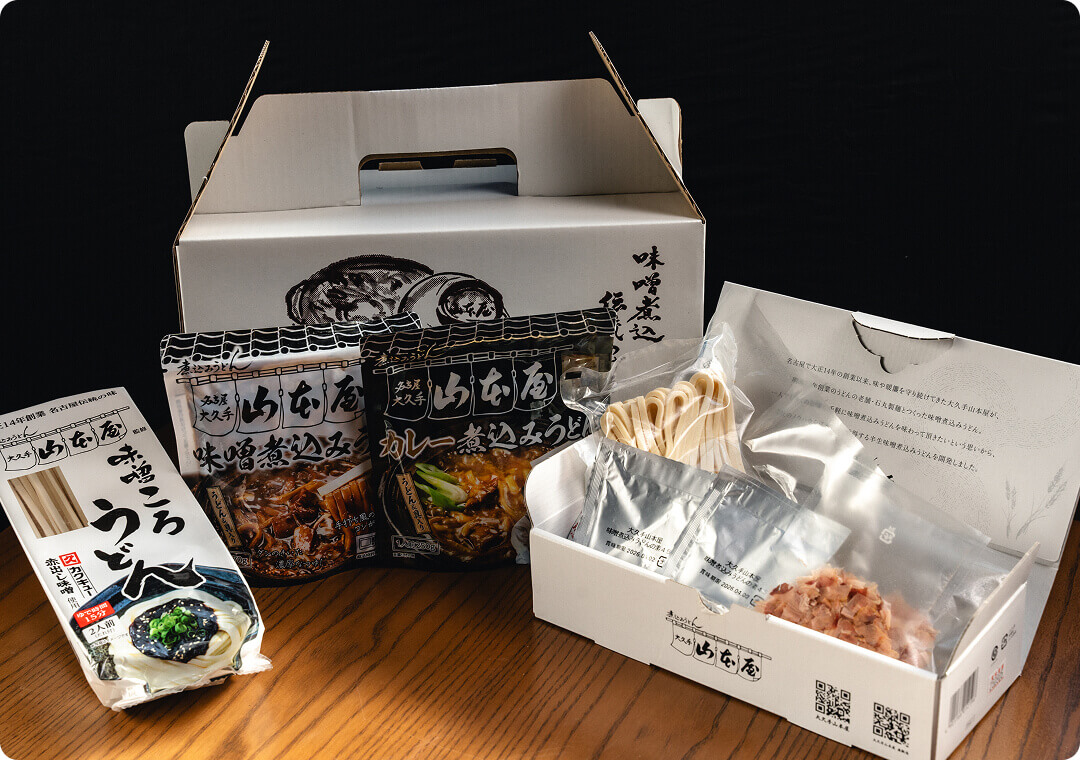
Yamamotoya Experience Class (our store)
“Miso stew hand-made experience”
“Hatcho miso terroir course”
4. How to eat miso stewed udon deliciously
4.How to eat
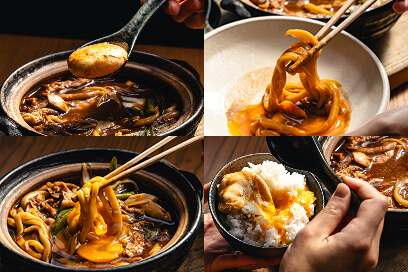
Q. What do you do if a clay pot is brought to you?
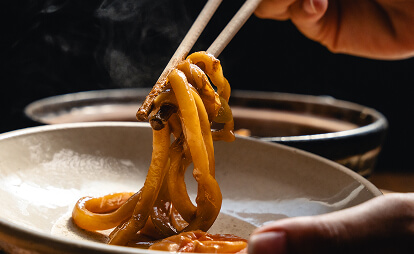
Turn the lid over and put it on a plate
Lift the noodles off the bottom and blend in the miso broth
First of all, you can take a bite without adding anything, and you can directly feel the aroma of miso and bonito flakes
Q. When do you break a raw egg?
There are several recommended ways to enjoy raw eggs.
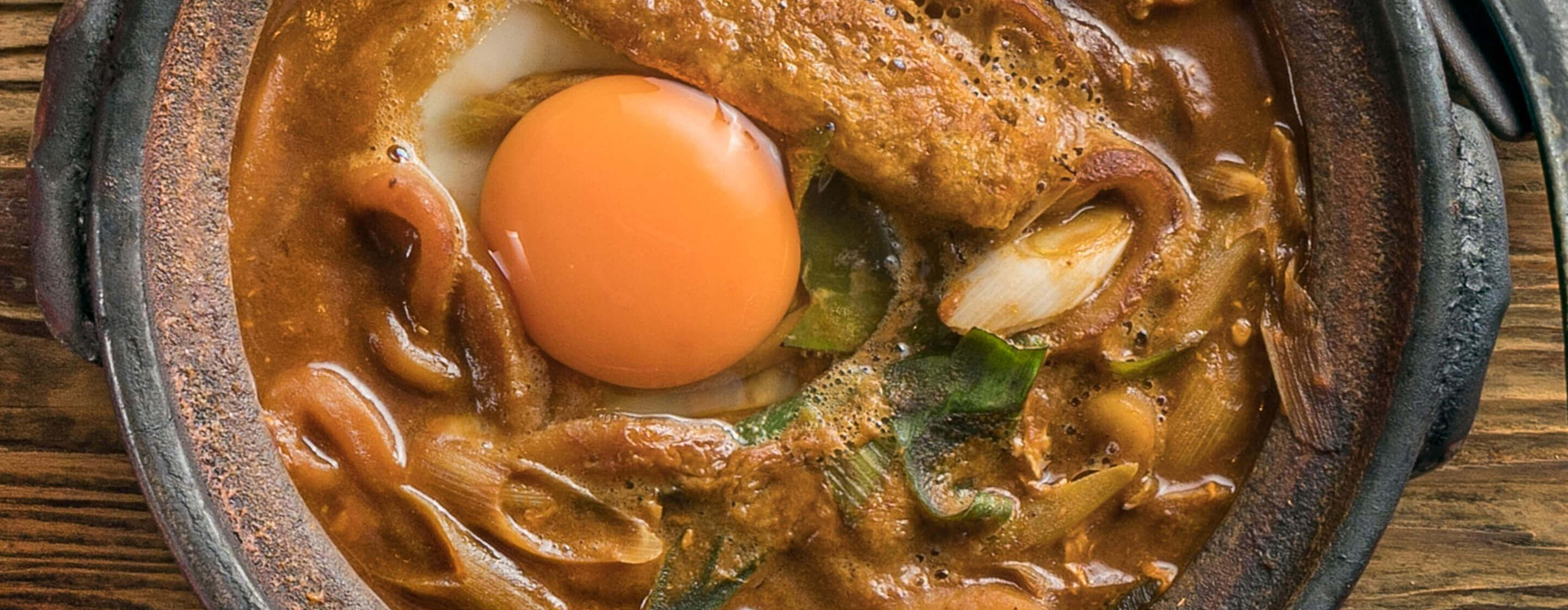
1. Egg hardening: Wait for the egg to cook without breaking it and eat it
2. Sukiyaki style: Transfer the egg to the lid with astragalus, break it while entangling with the noodles, and blend the miso broth into it.
3. Break it down quickly: Break it quickly and enjoy it while mixing it with miso broth
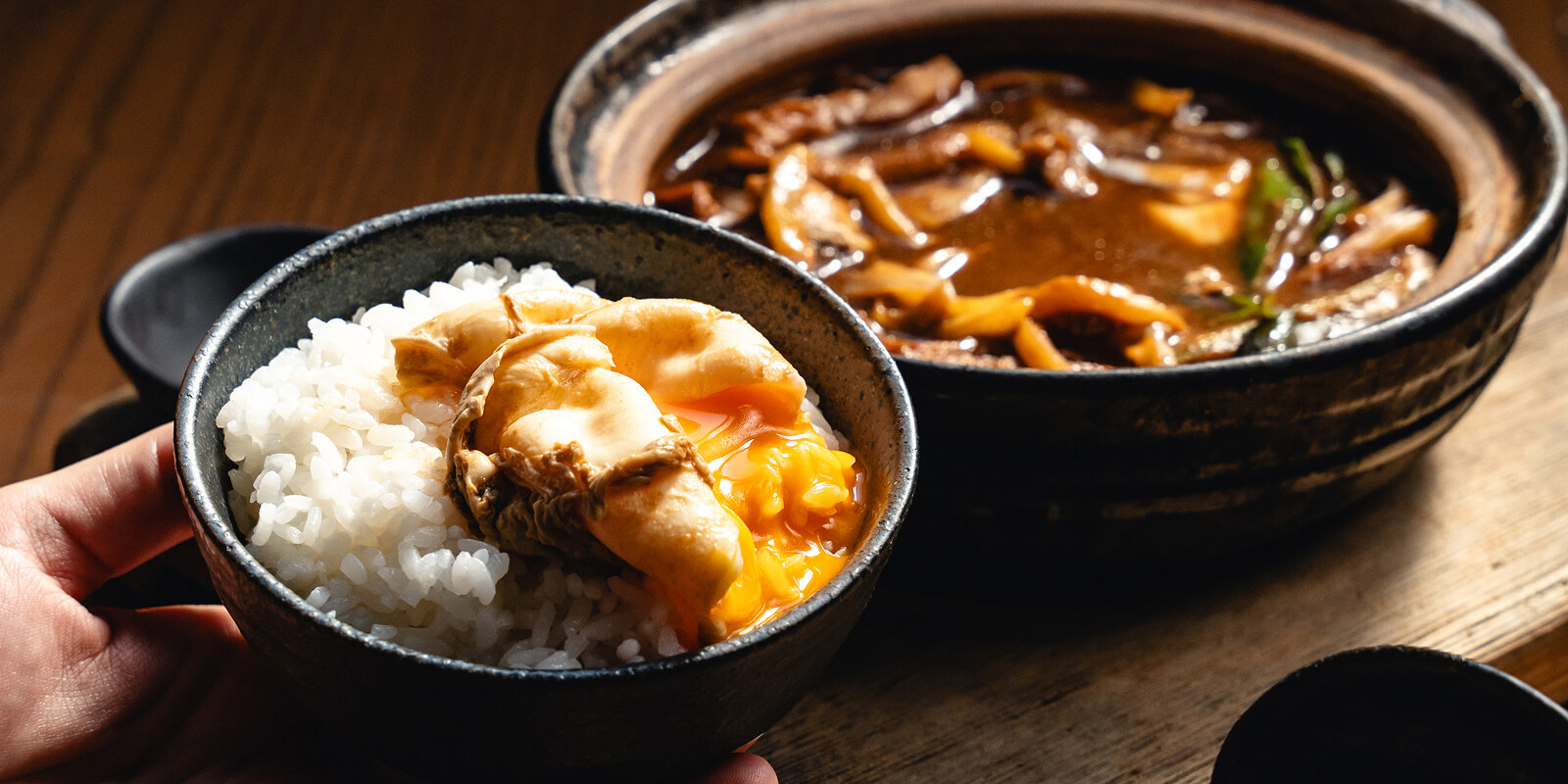
4. Put it on top of rice: A soft-boiled egg with miso broth is perfect for rice.
Q. What is the compatibility with condiments?
We recommend the following condiments.

Green onions
… Cool sensation
(Recommended timing)
Change your taste in the middle of the game

Shichimi chili pepper
… Pungent and citrus aroma
(Recommended timing)
Accent to increase the richness
at the end

Sansho
… Numbness and aroma
(Recommended timing)
when topping with oil
Reset effect
(recommended for oden)
Q. Should I ask for rice?
YES!
– Adding rice to the leftover miso broth is Nagoya-style porridge. The umami of red miso and the sweetness of the rice will make you feel more satisfied.